
How Twisted Shank Nails Enhance Structural Integrity: A Comprehensive Guide
How Twisted Shank Nails Enhance Structural Integrity
Table of Contents
Introduction to Twisted Shank Nails
Design Features of Twisted Shank Nails
Benefits of Using Twisted Shank Nails
Common Applications of Twisted Shank Nails
Installation Techniques for Optimal Performance
Twisted Shank Nails vs. Other Fasteners
Maintenance and Care for Structural Integrity
Frequently Asked Que
How Twisted Shank Nails Enhance Structural Integrity
Table of Contents
- Introduction to Twisted Shank Nails
- Design Features of Twisted Shank Nails
- Benefits of Using Twisted Shank Nails
- Common Applications of Twisted Shank Nails
- Installation Techniques for Optimal Performance
- Twisted Shank Nails vs. Other Fasteners
- Maintenance and Care for Structural Integrity
- Frequently Asked Questions
- Conclusion
Introduction to Twisted Shank Nails
Twisted shank nails have emerged as a vital tool in construction and woodworking, providing unique advantages that significantly enhance structural integrity. Unlike standard nails, twisted shank nails feature a spiral or twisted design that dramatically increases grip and holding power. This article delves into the multifaceted benefits of twisted shank nails, their applications, and how they can be effectively utilized in various projects.
Design Features of Twisted Shank Nails
Twisted shank nails are engineered with specific design characteristics that set them apart from traditional fasteners. Here are some key design features:
Spiral Design for Enhanced Grip
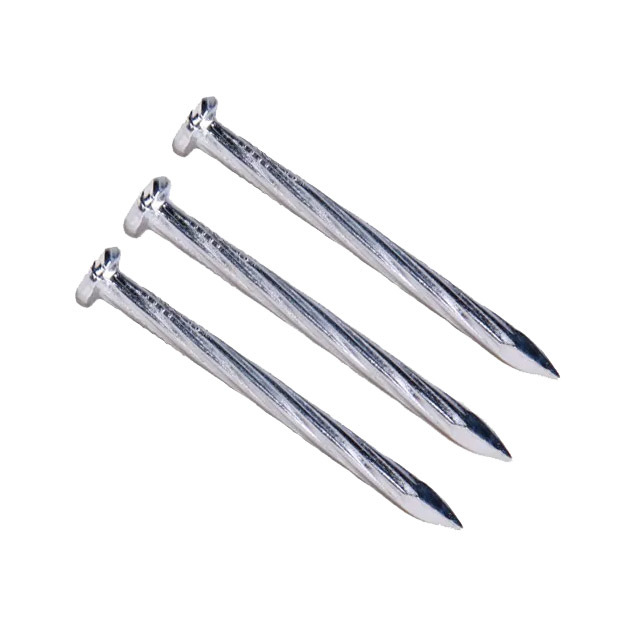
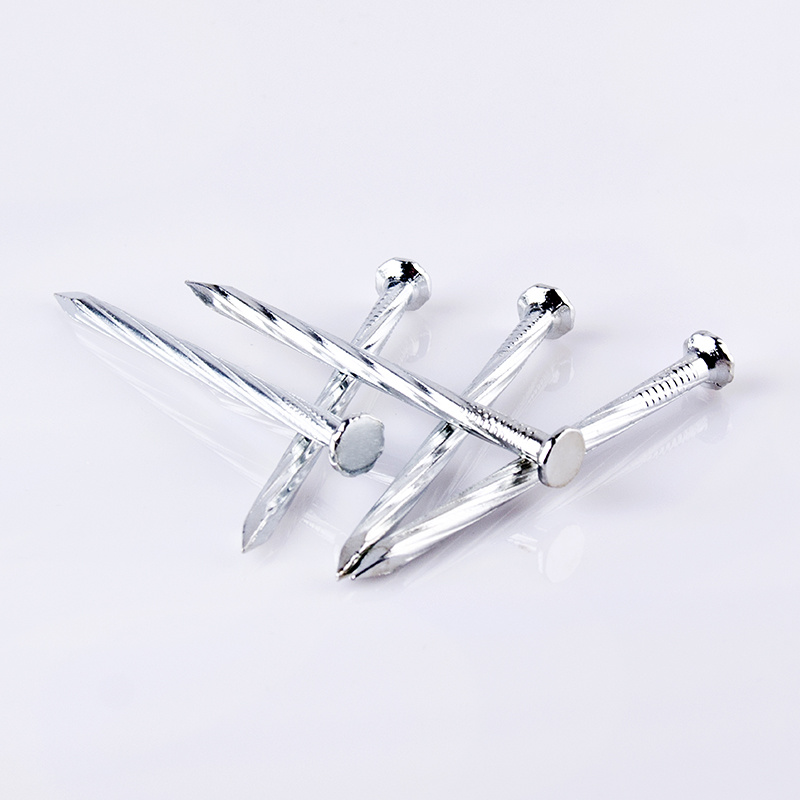
The spiral or twisted design of these nails creates additional surface area that engages with the material being fastened. This design allows for better resistance against pullout forces, making them ideal for high-stress applications.
Varied Lengths and Diameters
Twisted shank nails come in various lengths and diameters, allowing users to select the perfect size for their specific project. This versatility ensures optimal performance across different materials and construction methods.
Material Composition
Most twisted shank nails are made from high-quality steel, which offers excellent strength and durability. Some manufacturers may also provide coatings to enhance corrosion resistance, making them suitable for outdoor applications.
Benefits of Using Twisted Shank Nails
The benefits of incorporating twisted shank nails into your projects are extensive. Here are several key advantages:
Improved Holding Power
The unique design of twisted shank nails offers superior holding power compared to straight shank nails. This is particularly important in applications where structural integrity is paramount, such as framing and heavy-duty construction.
Resistance to Withdrawal
Due to the enhanced grip provided by the twisted shank, these nails are much less likely to pull out under tension. This resistance to withdrawal is crucial in preventing structural failure over time.
Reduced Splitting of Materials
When driven into wood, twisted shank nails minimize the risk of splitting the material. This quality makes them especially beneficial for use in delicate or brittle wood types.
Cost-Effective Solution
While twisted shank nails may have a slightly higher initial cost than standard nails, their performance benefits often outweigh this expense. Their durability and reduced likelihood of failure can save money on repairs and replacements in the long run.
Common Applications of Twisted Shank Nails
Twisted shank nails find applications across various industries and projects. Here are some common uses:
Framing and Structural Applications
In residential and commercial construction, twisted shank nails are frequently used for framing. Their high holding power and resistance to withdrawal make them ideal for securing beams, studs, and joists.
Decking and Outdoor Structures
Twisted shank nails are also suitable for decking and other outdoor structures due to their ability to resist corrosion and provide strong, lasting connections in challenging environments.
Furniture and Cabinet Making
In woodworking, twisted shank nails are often employed in the construction of furniture and cabinets. Their minimized risk of splitting and enhanced grip make them a favored choice among carpenters.
Installation Techniques for Optimal Performance
To ensure the best results when using twisted shank nails, it is essential to follow proper installation techniques:
Pre-Drilling for Hardwoods
When working with hardwoods, pre-drilling holes can prevent splitting and ensure a smooth installation. This technique is particularly important for thicker materials.
Correct Nail Placement
Maintaining proper spacing and alignment when driving nails is crucial. Ensure that nails are placed at the correct intervals to optimize load distribution and structural integrity.
Using the Right Tools
Utilize a quality hammer or pneumatic nail gun for driving twisted shank nails. The right tool enhances efficiency and accuracy, ensuring nails are driven flush with the surface.
Twisted Shank Nails vs. Other Fasteners
Understanding how twisted shank nails compare to other fasteners can help in making informed decisions for your projects:
Twisted Shank Nails vs. Straight Shank Nails
While straight shank nails are more common, they often lack the holding power of twisted shank options. Twisted shank nails provide greater resistance to withdrawal, making them a better choice for structural applications.
Twisted Shank Nails vs. Screws
Although screws offer superior holding power in many applications, they require more time and effort to install. Twisted shank nails provide a quicker alternative while still ensuring excellent grip and strength.
Maintenance and Care for Structural Integrity
Maintaining the structural integrity of projects using twisted shank nails requires periodic inspection and care:
Regular Inspections
Conduct regular inspections of structures for signs of wear, corrosion, or failure. Identifying potential issues early can help prevent significant structural problems later.
Addressing Corrosion
For projects exposed to moisture, it is crucial to ensure that the nails used are appropriately coated to prevent corrosion. Regularly check for signs of rust and take corrective action as needed.
Frequently Asked Questions
1. What materials are twisted shank nails best suited for?
Twisted shank nails are versatile and can be used in various materials, including softwoods, hardwoods, and composite materials. Their design allows them to perform well in high-stress applications.
2. Can twisted shank nails be used for outdoor projects?
Yes, many twisted shank nails are designed with corrosion-resistant coatings, making them suitable for outdoor applications, including decking and fencing.
3. How do I choose the right size of twisted shank nail for my project?
Select the nail size based on the thickness of the materials being fastened. Generally, a nail should penetrate the base material at least one and a half times its length for optimal holding power.
4. Are twisted shank nails easy to remove?
While they provide excellent holding power, twisted shank nails can be more challenging to remove than standard nails. Using a pry bar or nail puller can facilitate removal.
5. Can twisted shank nails be used in place of screws?
Twisted shank nails can be used in many applications where screws are traditionally used; however, screws may be preferable for projects requiring greater precision and adjustability.
Conclusion
In conclusion, twisted shank nails are an invaluable asset in construction and woodworking. Their unique design enhances holding power, reduces the risk of material splitting, and provides a cost-effective solution for maintaining structural integrity. By understanding their benefits, applications, and installation techniques, you can make informed decisions that lead to successful projects. Embracing the advantages of twisted shank nails can ultimately lead to safer, more durable structures that stand the test of time.
TAG:
Recommended

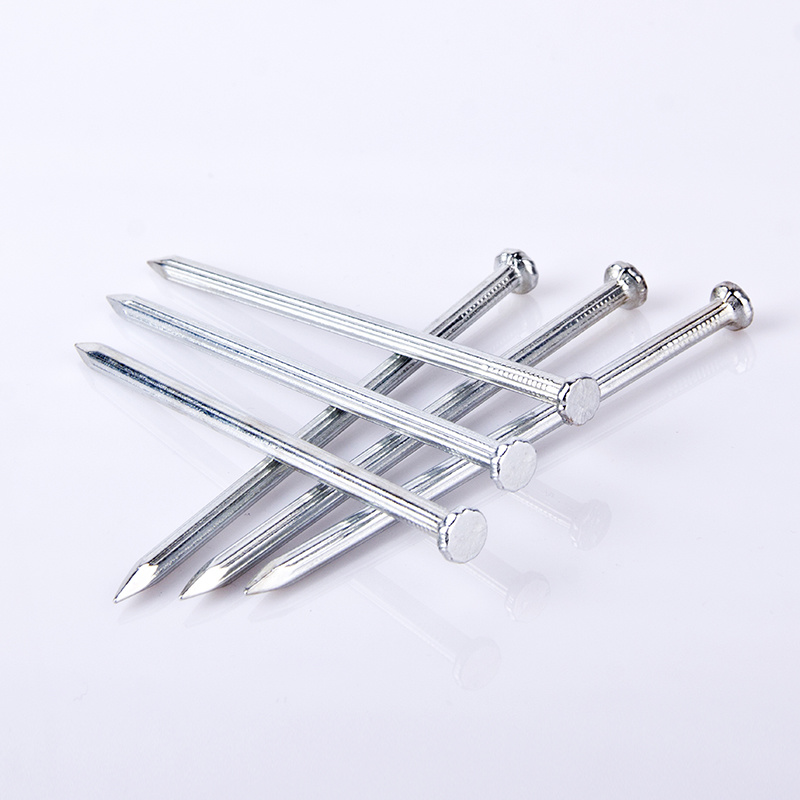
Galvanized Steel Concrete Nails Galvanized steel concrete nails are durable, corrosion-resistant fasteners ideal for securely attaching wood or metal to concrete and masonry surfaces.

NAIL INDUSTRY
PROFESSIONAL MANUFACTURER
Contact Us
Guoyuan Village, Xingtai, Hebei, China


