
Best Ways to Secure Spiral Shank Concrete Nails Without Damage
Best Ways to Secure Spiral Shank Concrete Nails Without Damage
Introduction to Spiral Shank Concrete Nails
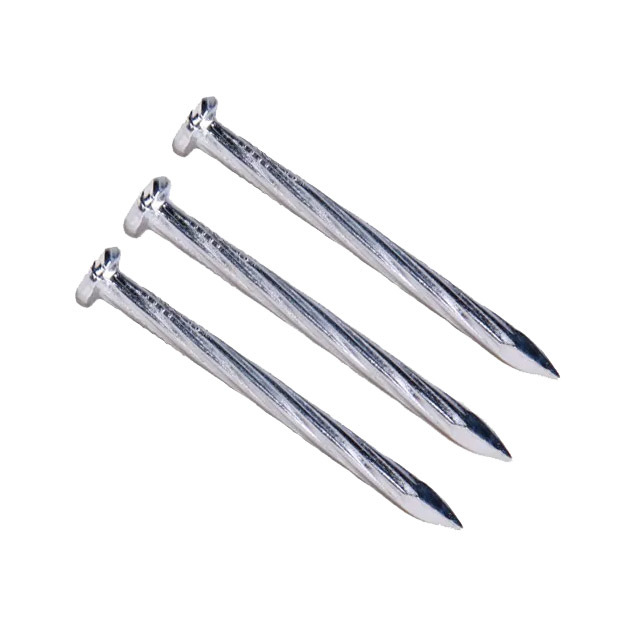
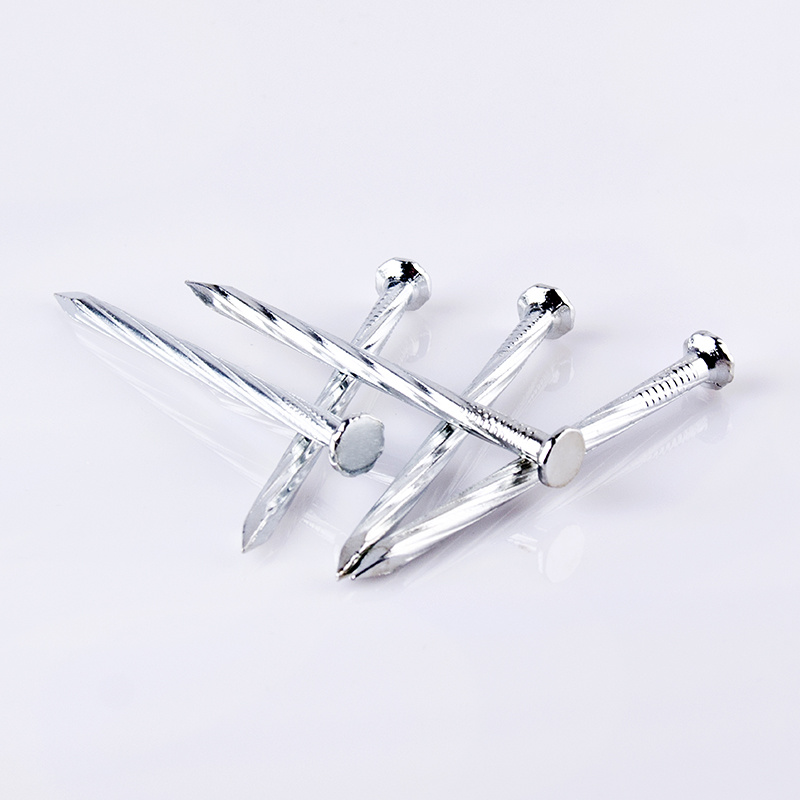
Spiral shank concrete nails are engineered for maximum holding power in concrete, masonry, and other tough materials. Their unique spiral design allows for superior grip and resistance to pull-out forces, making them an ideal choice for various construction and renovation projects. However, proper installation techniques are essential to ensure that these nails secure effectively without damaging the material or creating unnecessary stress points.
Understanding the Importance of Proper Handling
When working with spiral shank concrete nails, understanding the significance of proper handling and installation techniques is crucial. Improper installation can lead to issues such as nail pull-out, cracks in the concrete, or even damage to the surrounding materials. This comprehensive guide offers insights into the best practices for securing these nails while preserving the integrity of your surfaces.
Choosing the Right Tools for Installation
Selecting the appropriate tools for installing spiral shank concrete nails can make a significant difference in the process and outcome. Here are some essential tools to consider:
1. Hammer Drill
A hammer drill is recommended for creating pilot holes in concrete. This tool combines rotary motion with a hammering action, making it easier to penetrate hard surfaces without excessive force.
2. Concrete Nails
Opt for high-quality spiral shank concrete nails to ensure maximum grip and durability. Ensure they are the right length and thickness for your specific project.
3. Safety Gear
Always wear safety goggles and gloves when working with concrete nails to protect yourself from flying debris and sharp edges.
Best Practices for Securing Spiral Shank Concrete Nails
Successfully securing spiral shank concrete nails without damage involves a series of careful steps. Follow these practices for optimal results:
1. Preparing the Surface
Before installation, clean the area where the nails will be placed. Remove any dust, debris, or loose particles to create a solid foundation. This preparation helps ensure a secure hold.
2. Marking the Placement
Accurate placement is key to effective installation. Use a pencil to mark the exact spot where each nail will be driven. This step ensures that the nails are evenly spaced and positioned correctly.
3. Drilling Pilot Holes
To minimize the risk of damaging the concrete, drill pilot holes slightly smaller in diameter than the spiral shank of the nails. This technique reduces the stress on the surrounding material and allows for easier installation.
4. Using the Right Hammering Technique
When driving the nails, use a steady, controlled force. Avoid excessive hammering, as this can cause the nails to bend or the concrete to crack. Start with gentle taps and gradually increase the force if necessary.
5. Installing in the Correct Angle
Position the nails at the correct angle to ensure a strong hold. Typically, a 45-degree angle provides optimal anchoring. Be mindful of the surrounding materials to avoid inflicting damage during installation.
Alternatives and Additional Techniques
In some cases, alternative methods may be more suitable for securing materials without the risk of damage. Here are a few options:
1. Adhesive Anchors
For applications where drilling may compromise the integrity of the material, consider using adhesive anchors. These offer a strong hold without the need for mechanical fastening.
2. Expansion Anchors
Expansion anchors can be used in conjunction with or instead of spiral shank concrete nails. These anchors expand within the material as the screw is tightened, providing a secure grip without creating large holes.
3. Self-Drilling Screws
Self-drilling screws designed for concrete can be an effective alternative, as they eliminate the need for a pilot hole and reduce installation time.
Common Mistakes to Avoid
Awareness of common pitfalls can help enhance your installation process. Here are several mistakes to avoid:
1. Skipping Pilot Holes
Neglecting to drill pilot holes is a common error that can lead to cracked concrete and damage. Always take the time to prepare adequately.
2. Overdriving the Nails
Driving nails too deep can lead to compromised holding power and potential damage to the material. Ensure that nails are flush with the surface without excessive force.
3. Using Poor Quality Materials
Investing in low-quality nails or tools can result in poor performance and increased risk of failure. Always choose reputable brands for both nails and tools.
Maintenance and Care After Installation
Once the spiral shank concrete nails are secured, proper maintenance is critical to ensure their longevity and effectiveness. Follow these care tips:
1. Regular Inspections
Periodically check the installed nails for signs of rust or wear. Address any issues promptly to prevent structural concerns.
2. Protecting Against Moisture
Moisture can lead to corrosion and weaken the hold of concrete nails. Take measures to protect the installed area from exposure to water.
3. Replacing Damaged Nails
Should you notice any damaged nails, replace them immediately to maintain the integrity of the structure.
FAQs
1. What are spiral shank concrete nails used for?
Spiral shank concrete nails are primarily used for securing materials to concrete or masonry surfaces, providing a strong and reliable hold.
2. Can spiral shank nails be removed without damage?
Yes, but removal requires careful techniques to avoid damaging the surrounding material. Use a pry bar or a similar tool for extraction.
3. Are these nails suitable for outdoor use?
Yes, spiral shank concrete nails can be used outdoors, but ensure they are made from rust-resistant materials for longevity.
4. How can I ensure maximum holding power?
For maximum holding power, ensure the nails are installed at the correct angle, use appropriate pilot hole sizes, and choose high-quality materials.
5. What is the best way to prevent cracking during installation?
Drilling pilot holes and using controlled hammering techniques can significantly reduce the risk of cracking the concrete during nail installation.
Conclusion
Securing spiral shank concrete nails without damage requires a combination of the right tools, techniques, and careful attention to detail. By following the best practices outlined in this guide, you can achieve a strong and lasting hold while preserving the integrity of your materials. Avoid common mistakes, maintain your installations, and consider alternative fastening methods when necessary. With the right knowledge and approach, your projects can be both successful and damage-free.
Recommended


NAIL INDUSTRY
PROFESSIONAL MANUFACTURER
Contact Us
Guoyuan Village, Xingtai, Hebei, China


