
Exploring the Benefits of Twisted Shank Nails in Construction Projects
Exploring the Benefits of Twisted Shank Nails in Construction Projects
Table of Contents
1. Introduction to Twisted Shank Nails
2. Understanding Twisted Shank Nail Design
2.1 What Makes Twisted Shank Nails Unique?
2.2 Comparison with Straight Shank Nails
3. Advantages of Using Twisted Shank Nails
3.1 Enhanced Grip and Pull-Out Resistance
3.2 Versatility in Various Materials
3.3 Improved Structural Integrity
4. Application of Twisted Shank Nails in Construction
4.1 Ideal Use Cases
4.2 Recommended Techniques for Installation
5. Cost-Effectiveness of Twisted Shank Nails
6. Environmental Impact Considerations
7. Frequently Asked Questions (FAQs)
8. Conclusion
1. Introduction to Twisted Shank Nails
In the construction industry, selecting the right fastener is crucial for ensuring the durability and strength of any built structure. **Twisted shank nails** have emerged as a favored choice among construction professionals, thanks to their superior design and functional advantages. This article explores the myriad benefits of using twisted shank nails in various construction projects, illustrating why they are a preferred option for builders and contractors alike.
2. Understanding Twisted Shank Nail Design
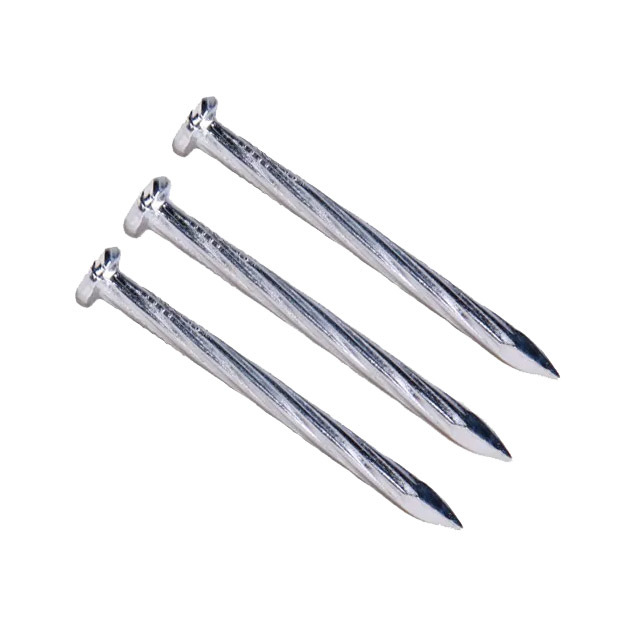
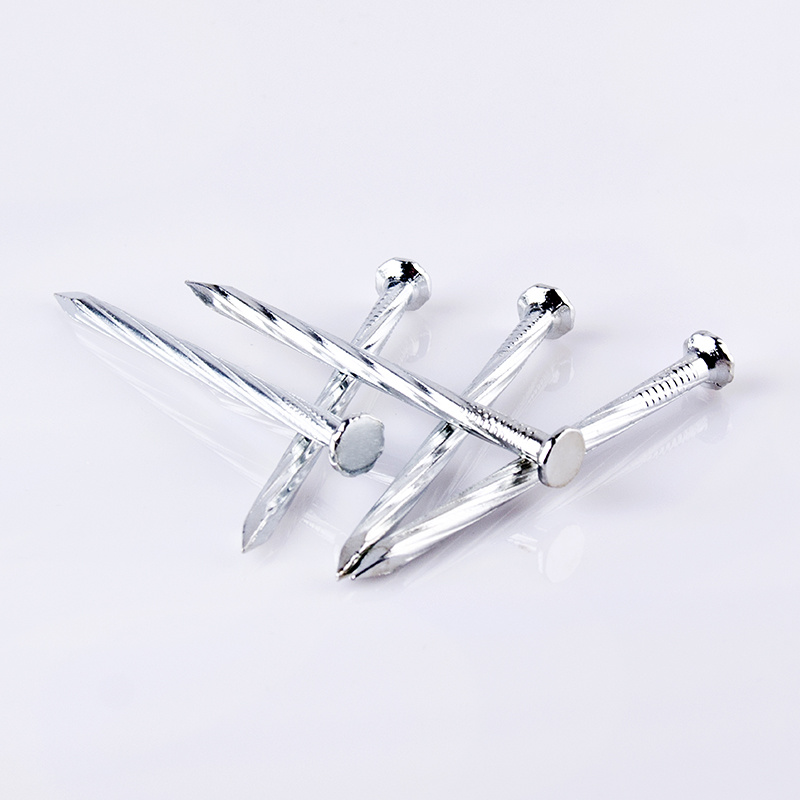
Twisted shank nails are characterized by their spiral design along the shank, which sets them apart from traditional straight shank nails. This unique design not only enhances their performance but also allows for a more secure hold.
2.1 What Makes Twisted Shank Nails Unique?
The twisted shank design of these nails provides them with a distinctive twist that optimizes their grip in wood and other materials. This feature allows for a more reliable fastening solution, minimizing the risk of loosening over time.
2.2 Comparison with Straight Shank Nails
While straight shank nails are widely used, they often struggle to provide the same level of grip as their twisted counterparts. Twisted shank nails excel in resisting pull-out forces, making them ideal for heavy-duty applications and structural connections.
3. Advantages of Using Twisted Shank Nails
Twisted shank nails offer numerous advantages that make them particularly appealing in construction settings. Here, we break down some of the most significant benefits.
3.1 Enhanced Grip and Pull-Out Resistance
The spiral design of twisted shank nails allows them to anchor more securely into wood. This enhanced grip is especially beneficial in applications where structural integrity is paramount, such as in framing, roofing, and decking. The resistance to pull-out forces means that structures remain stable and secure over time.
3.2 Versatility in Various Materials
Twisted shank nails are not limited to wood alone; they can also be effectively used with other materials like composites, plastics, and metal. This versatility makes them a go-to option for various construction projects, ranging from residential buildings to commercial structures.
3.3 Improved Structural Integrity
The twisted shank design helps distribute loads more evenly, which is crucial in maintaining the structural integrity of a project. This feature is particularly advantageous in areas subject to dynamic conditions, such as high winds or seismic activity, further enhancing the safety of the constructed facilities.
4. Application of Twisted Shank Nails in Construction
Understanding how and where to use twisted shank nails is essential for maximizing their benefits in construction.
4.1 Ideal Use Cases
Twisted shank nails are particularly effective in applications such as:
- **Framing:** They provide excellent hold in structural framing, allowing for safer, sturdier builds.
- **Roofing:** Their resistance to pull-out makes them ideal for securing roofing materials, especially in high-wind areas.
- **Decking:** For outdoor projects, twisted shank nails prevent loosening over time due to weather conditions.
4.2 Recommended Techniques for Installation
To achieve optimal results when using twisted shank nails, it is essential to follow proper installation techniques. Here are some recommendations:
- **Pre-drilling:** In certain materials, pre-drilling can help prevent splitting.
- **Correct Hammering Technique:** Use a consistent, firm strike to ensure the nail is driven in at the correct angle.
- **Spacing:** Ensure adequate spacing between nails to maximize holding power and structural performance.
5. Cost-Effectiveness of Twisted Shank Nails
While twisted shank nails may have a slightly higher upfront cost compared to straight shank nails, their long-term benefits offer significant savings. The enhanced durability and reduced likelihood of repairs or replacements contribute to overall project cost efficiency.
6. Environmental Impact Considerations
When considering materials for construction, it's essential to evaluate their environmental impact. Twisted shank nails, often made from recycled materials, can contribute to sustainable building practices. Additionally, their durability reduces the need for frequent replacements, thereby minimizing waste.
7. Frequently Asked Questions (FAQs)
What are twisted shank nails made of?
Twisted shank nails are typically made from steel or other durable metals, often coated to resist corrosion.
Are twisted shank nails reusable?
While they are designed for one-time use, careful removal can allow for reuse in low-stress applications.
Can twisted shank nails be used in concrete?
Twisted shank nails are primarily designed for wood and similar materials; for concrete, consider using masonry nails or screws.
How do I choose the right size twisted shank nail?
Selecting the right size depends on the material thickness and the load requirements of your project. Generally, longer nails provide better holding power.
What tools are best for installing twisted shank nails?
A hammer or pneumatic nail gun is recommended for installation, ensuring appropriate force is applied for secure fastening.
8. Conclusion
In summary, the unique design and numerous benefits of twisted shank nails make them an invaluable asset in construction projects. Their enhanced grip, versatility, and ability to improve structural integrity distinguish them from traditional fasteners. By incorporating twisted shank nails into your construction practices, you can ensure the durability and longevity of your projects. Whether you are framing a house, installing a roof, or building a deck, these nails will undoubtedly contribute to a more secure and reliable structure. Embrace the benefits of twisted shank nails and elevate the quality of your construction endeavors.
TAG:
Recommended


NAIL INDUSTRY
PROFESSIONAL MANUFACTURER
Contact Us
Guoyuan Village, Xingtai, Hebei, China


