
The Role of Spiral Shank Concrete Nails in Sustainable Building Practices
The Role of Spiral Shank Concrete Nails in Sustainable Building Practices
Introduction to Sustainable Building Practices
As the construction industry increasingly prioritizes sustainability, the materials and methods used in building projects have come under scrutiny. Sustainable building practices aim to reduce environmental impacts, enhance energy efficiency, and create healthier living spac
The Role of Spiral Shank Concrete Nails in Sustainable Building Practices
Introduction to Sustainable Building Practices
As the construction industry increasingly prioritizes sustainability, the materials and methods used in building projects have come under scrutiny. Sustainable building practices aim to reduce environmental impacts, enhance energy efficiency, and create healthier living spaces. A key component of this movement is the selection of the right tools and fasteners that align with these goals. Among these tools, **spiral shank concrete nails** are becoming increasingly significant.
What Are Spiral Shank Concrete Nails?
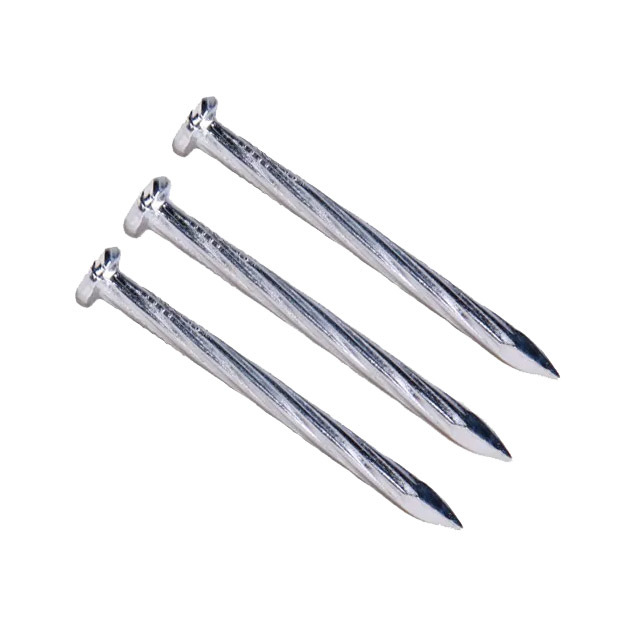
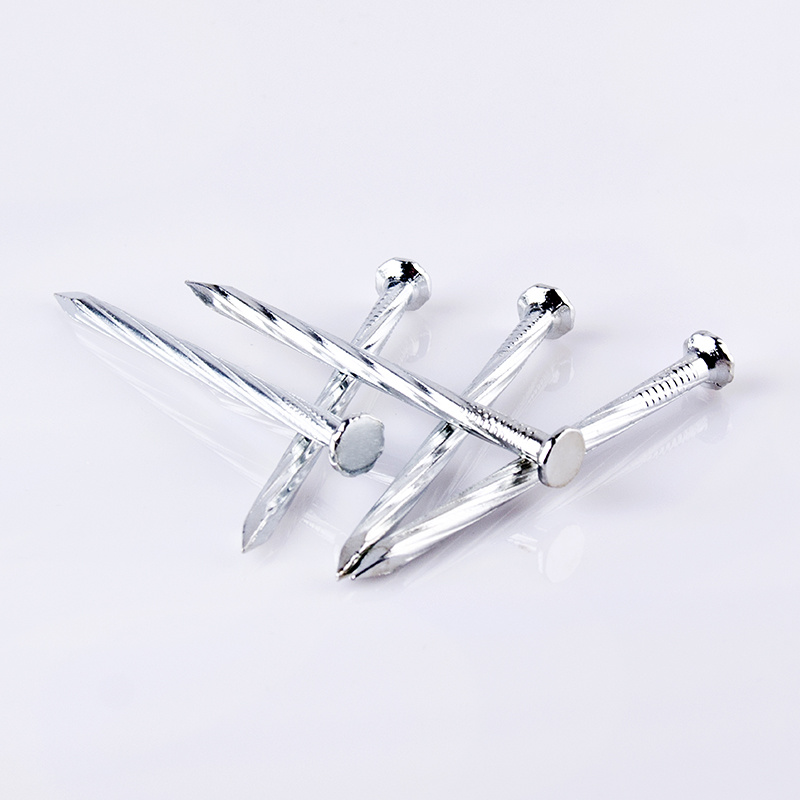
Spiral shank concrete nails are specialized fasteners designed for use in concrete and masonry applications. The **spiral design** of the shank allows for superior grip and holding strength, making them ideal for various construction tasks. Unlike traditional concrete nails, these fasteners feature a unique helical pattern that enhances their performance.
Key Characteristics of Spiral Shank Concrete Nails
1. **Enhanced Grip**: The spiral design provides exceptional grip, minimizing the risk of nails pulling out over time.
2. **Corrosion Resistance**: Many spiral shank concrete nails are coated with materials that resist rust and corrosion, prolonging their lifespan.
3. **Versatility**: These nails can be used in a variety of applications, from framing to fastening drywall, making them a go-to choice for builders.
4. **Ease of Installation**: The design allows for easier penetration into concrete, reducing the need for excessive force during installation.
Why Sustainable Building Matters
The construction industry is one of the largest contributors to environmental degradation. By adopting sustainable practices, builders can mitigate their impact. Sustainable building not only helps preserve natural resources but also fosters healthier living conditions, reduces waste, and minimizes energy consumption. Key benefits include:
Reducing Carbon Footprint
Sustainable building practices aim to lower greenhouse gas emissions associated with construction. Using durable materials like spiral shank concrete nails contributes to longer-lasting structures, which can help reduce the carbon footprint over the building's lifecycle.
Energy Efficiency
Incorporating energy-efficient practices and materials can significantly reduce the energy demands of a building. Sustainable buildings often feature superior insulation and effective fasteners that ensure structural integrity.
The Advantages of Using Spiral Shank Concrete Nails in Sustainable Construction
Spiral shank concrete nails offer numerous advantages that align with the principles of sustainable building. Here’s how they contribute to eco-friendly construction:
Improved Longevity and Durability
The robust design of spiral shank concrete nails ensures that they provide lasting hold in various materials, which translates to fewer repairs and replacements over time. This durability reduces waste and conserves resources, supporting a more sustainable construction model.
Less Material Waste
By using spiral shank concrete nails, builders can minimize the amount of wasted material. Their superior grip allows for secure installations, reducing the chances of rework and the associated waste of materials.
Compatibility with Recycled Materials
Spiral shank concrete nails can be effectively used with a range of sustainable materials, including recycled aggregates and eco-friendly insulation products. This compatibility supports building practices that prioritize the use of recycled materials.
Installation Best Practices for Spiral Shank Concrete Nails
To maximize the benefits of spiral shank concrete nails, proper installation is essential. Here are some best practices to follow:
Choosing the Right Size and Type
Select the appropriate size and type of spiral shank concrete nail for your specific application. Consider factors such as the thickness of the material and the load-bearing requirements.
Using the Right Tools
Utilize a quality hammer or pneumatic nail gun designed for driving concrete nails. This will ensure proper installation and prevent damage to the nail or surrounding materials.
Pre-drilling When Necessary
In harder concrete or masonry, pre-drilling a pilot hole can simplify installation and reduce the risk of damaging the materials.
Environmental Impact of Spiral Shank Concrete Nails
The production and use of building materials can significantly impact the environment. Spiral shank concrete nails can help mitigate these effects:
Reduced Resource Consumption
Using durable materials like spiral shank concrete nails lessens the need for frequent replacements, thus conserving resources over time.
Lower Energy Usage in Manufacturing
Many manufacturers of spiral shank concrete nails have adopted energy-efficient processes, further reducing the environmental impact associated with their production.
Comparing Spiral Shank Concrete Nails to Other Fasteners
When considering fasteners for sustainable building practices, spiral shank concrete nails stand out when compared to alternatives:
Traditional Concrete Nails
While traditional concrete nails may be less expensive upfront, they often lack the grip and longevity of spiral shank nails, leading to higher lifecycle costs.
Adhesives and Chemical Fasteners
While some builders may turn to adhesives for fastening, these products can emit volatile organic compounds (VOCs) that are harmful to indoor air quality. Spiral shank concrete nails offer a safer, more sustainable option.
Case Studies: Successful Implementations of Spiral Shank Concrete Nails
Examining real-world examples can provide insights into the effective use of spiral shank concrete nails in sustainable building:
Residential Construction Projects
Numerous residential projects have successfully utilized spiral shank concrete nails in framing and exterior applications, contributing to both energy efficiency and reduced environmental impact.
Commercial Developments
In commercial settings, spiral shank concrete nails have proven beneficial in creating durable, energy-efficient structures that meet modern environmental standards.
FAQs About Spiral Shank Concrete Nails
1. What materials are spiral shank concrete nails suitable for?
Spiral shank concrete nails are designed for use in concrete, masonry, and other dense materials.
2. How do spiral shank nails differ from regular concrete nails?
Spiral shank nails feature a helical design that enhances grip, while regular concrete nails have a smooth shaft, which can lead to weaker holding power.
3. Are spiral shank concrete nails environmentally friendly?
Yes, due to their durability and reduced need for replacement, they are considered a sustainable choice in construction.
4. Can I use spiral shank nails with recycled materials?
Absolutely, spiral shank concrete nails are compatible with various recycled materials, supporting eco-friendly building practices.
5. What is the best method for installing spiral shank concrete nails?
Using a pneumatic nail gun or hammer, and pre-drilling if necessary, are recommended practices for installation.
Conclusion
Spiral shank concrete nails represent a vital innovation in the realm of sustainable building practices. Their unique design not only enhances performance but also aligns with the overarching goals of reducing environmental impact, improving energy efficiency, and promoting the use of durable materials. As the construction industry continues to evolve, integrating tools like spiral shank concrete nails will be essential for builders committed to sustainability. By choosing the right fasteners and methods, we can contribute to a more eco-friendly future in construction, paving the way for innovations that benefit both our planet and future generations.
TAG:
Recommended

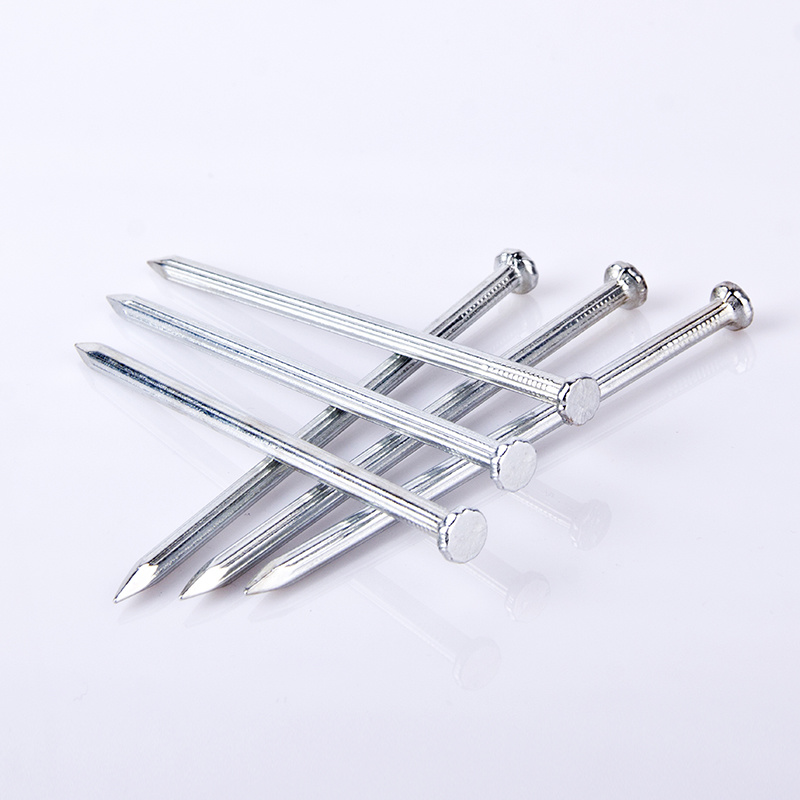
Galvanized Steel Concrete Nails Galvanized steel concrete nails are durable, corrosion-resistant fasteners ideal for securely attaching wood or metal to concrete and masonry surfaces.

NAIL INDUSTRY
PROFESSIONAL MANUFACTURER
Contact Us
Guoyuan Village, Xingtai, Hebei, China


