
Understanding Twisted Shank Nails: Manufacturing Insights and Applications
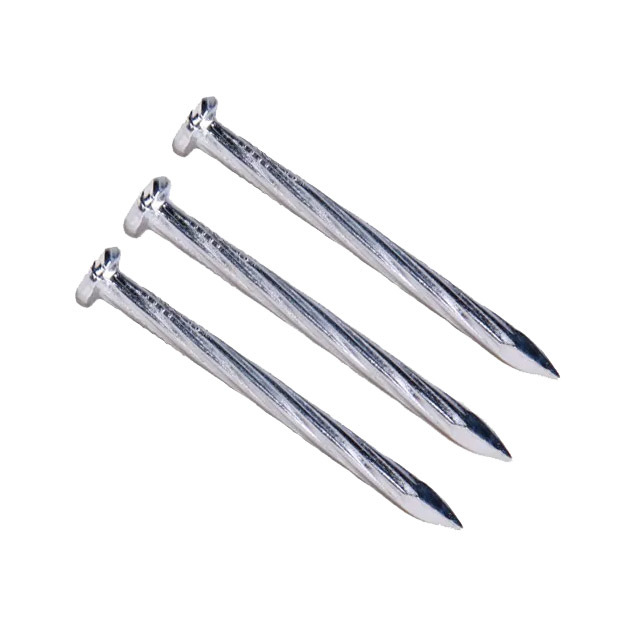
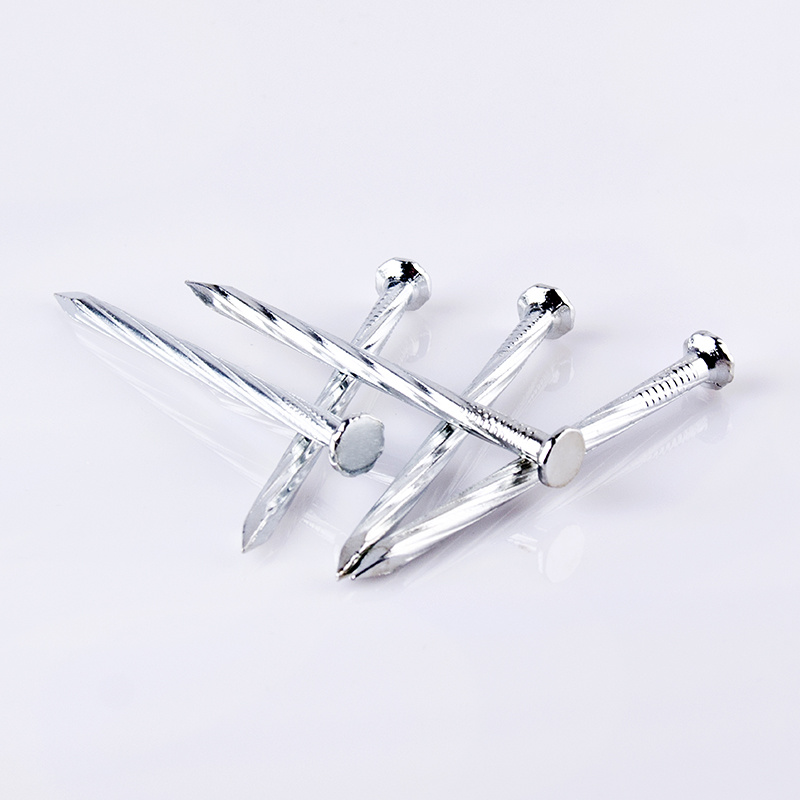
Twisted shank nails, a unique type of fastener, are increasingly recognized for their exceptional holding power and versatility in various construction and woodworking applications. The twisted design of these nails provides a superior gripping force compared to traditional straight shank nails, making them particularly effective in materials that require robust fastening solutions, such as timber
Twisted shank nails, a unique type of fastener, are increasingly recognized for their exceptional holding power and versatility in various construction and woodworking applications. The twisted design of these nails provides a superior gripping force compared to traditional straight shank nails, making them particularly effective in materials that require robust fastening solutions, such as timber and plywood.
The manufacturing process of twisted shank nails typically involves several key steps, beginning with the selection of high-quality steel. This raw material is essential to ensure the durability and strength of the final product. Once the steel is selected, it is cold drawn into wire, which is then fed into a specialized nail-making machine. The machine forms the twisted shape of the shank, enhancing the nail's overall grip when driven into different materials. After forming, the nails are cut to the desired length and may undergo heat treatment to further improve their hardness and resistance to bending or breaking.
One of the significant advantages of twisted shank nails lies in their enhanced withdrawal resistance. The spiral design creates a larger surface area in contact with the wood fibers, which significantly reduces the chances of the nail working its way loose over time. This characteristic is particularly advantageous in applications involving heavy loads or dynamic forces, making twisted shank nails a preferred choice among construction professionals.
In addition to their mechanical advantages, twisted shank nails can be used in various applications, including framing, decking, roofing, and furniture assembly. Their ability to provide a secure hold is especially valuable in outdoor projects where exposure to moisture can lead to traditional fasteners corroding or loosening. Furthermore, these nails can often be driven into materials without pre-drilling, saving time and labor costs during installation.
When sourcing twisted shank nails, it is essential to consider factors such as the appropriate gauge and length for your specific project, as well as the material of the nail. Some manufacturers also offer galvanized or coated options to enhance corrosion resistance, which is crucial for outdoor use or in environments with high humidity.
In conclusion, twisted shank nails are a highly effective fastening solution that combines strength, durability, and versatility. Understanding their manufacturing process and application benefits is vital for ensuring optimal performance in construction projects. By choosing the right specifications and utilizing these innovative fasteners, professionals can achieve superior results in their work, enhancing both the longevity and structural integrity of their projects.
The manufacturing process of twisted shank nails typically involves several key steps, beginning with the selection of high-quality steel. This raw material is essential to ensure the durability and strength of the final product. Once the steel is selected, it is cold drawn into wire, which is then fed into a specialized nail-making machine. The machine forms the twisted shape of the shank, enhancing the nail's overall grip when driven into different materials. After forming, the nails are cut to the desired length and may undergo heat treatment to further improve their hardness and resistance to bending or breaking.
One of the significant advantages of twisted shank nails lies in their enhanced withdrawal resistance. The spiral design creates a larger surface area in contact with the wood fibers, which significantly reduces the chances of the nail working its way loose over time. This characteristic is particularly advantageous in applications involving heavy loads or dynamic forces, making twisted shank nails a preferred choice among construction professionals.
In addition to their mechanical advantages, twisted shank nails can be used in various applications, including framing, decking, roofing, and furniture assembly. Their ability to provide a secure hold is especially valuable in outdoor projects where exposure to moisture can lead to traditional fasteners corroding or loosening. Furthermore, these nails can often be driven into materials without pre-drilling, saving time and labor costs during installation.
When sourcing twisted shank nails, it is essential to consider factors such as the appropriate gauge and length for your specific project, as well as the material of the nail. Some manufacturers also offer galvanized or coated options to enhance corrosion resistance, which is crucial for outdoor use or in environments with high humidity.
In conclusion, twisted shank nails are a highly effective fastening solution that combines strength, durability, and versatility. Understanding their manufacturing process and application benefits is vital for ensuring optimal performance in construction projects. By choosing the right specifications and utilizing these innovative fasteners, professionals can achieve superior results in their work, enhancing both the longevity and structural integrity of their projects.
TAG:
Recommended

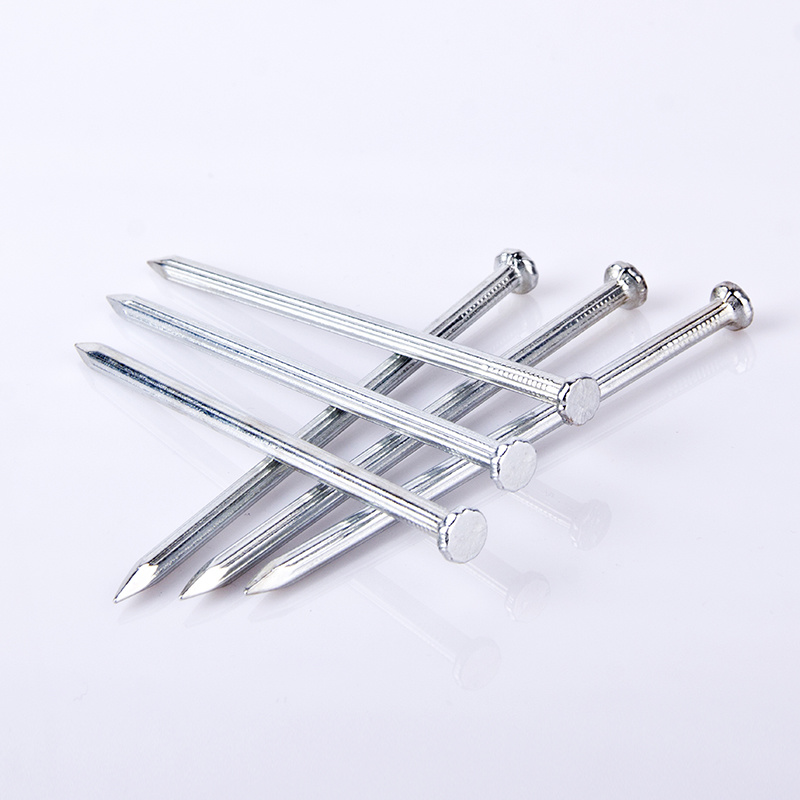
Galvanized Steel Concrete Nails Galvanized steel concrete nails are durable, corrosion-resistant fasteners ideal for securely attaching wood or metal to concrete and masonry surfaces.

NAIL INDUSTRY
PROFESSIONAL MANUFACTURER
Contact Us
Guoyuan Village, Xingtai, Hebei, China


